From compliance to continuous improvement.
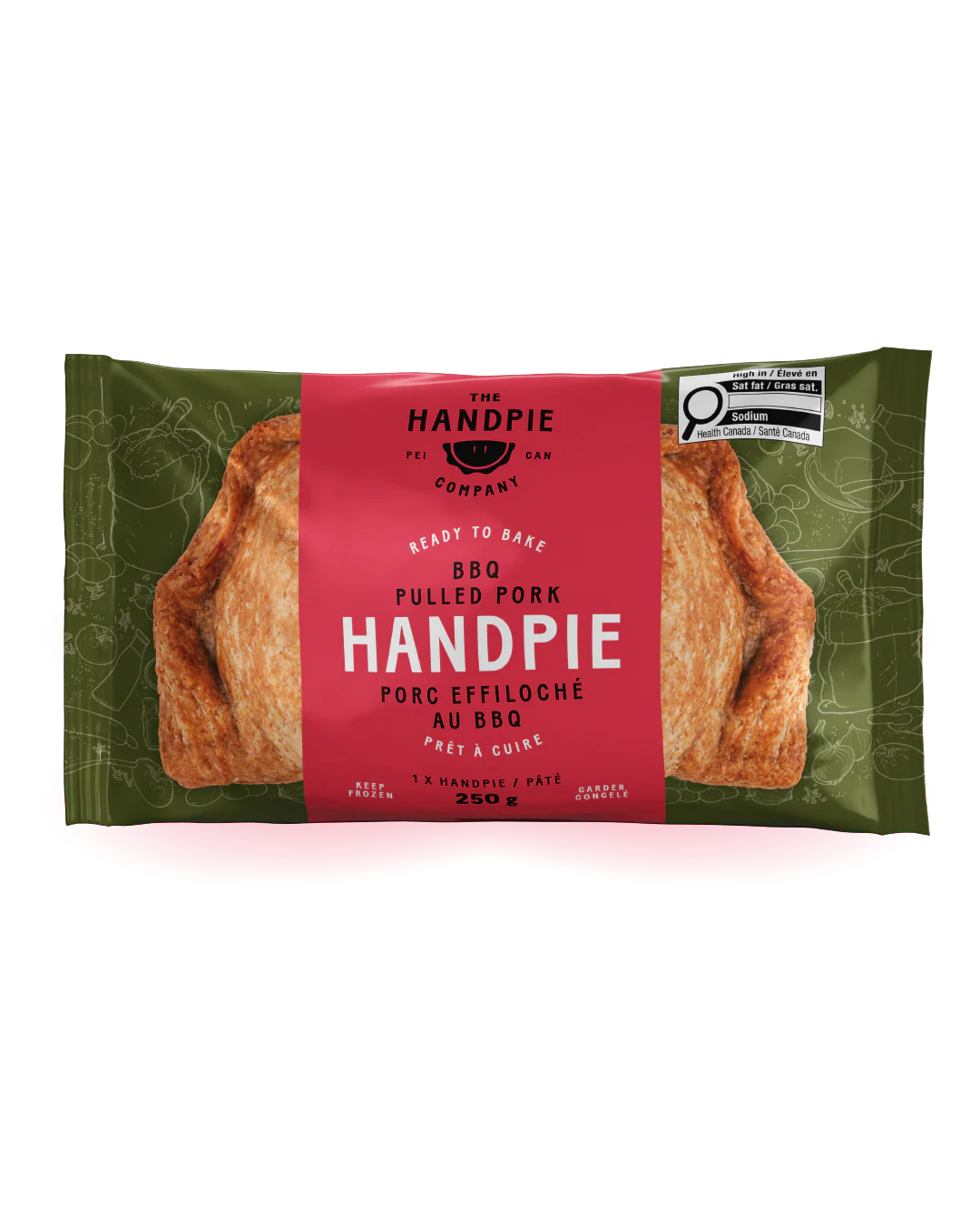
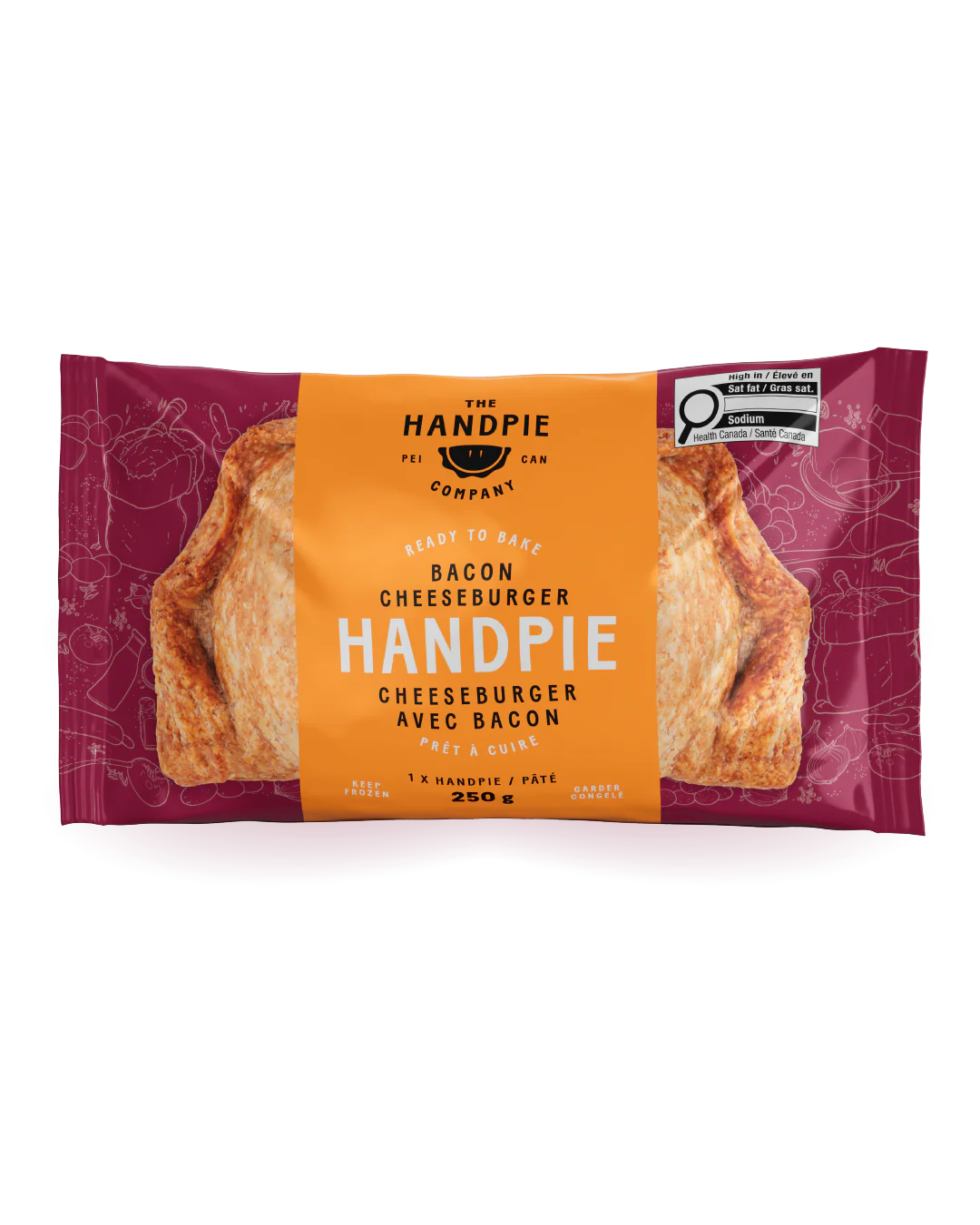
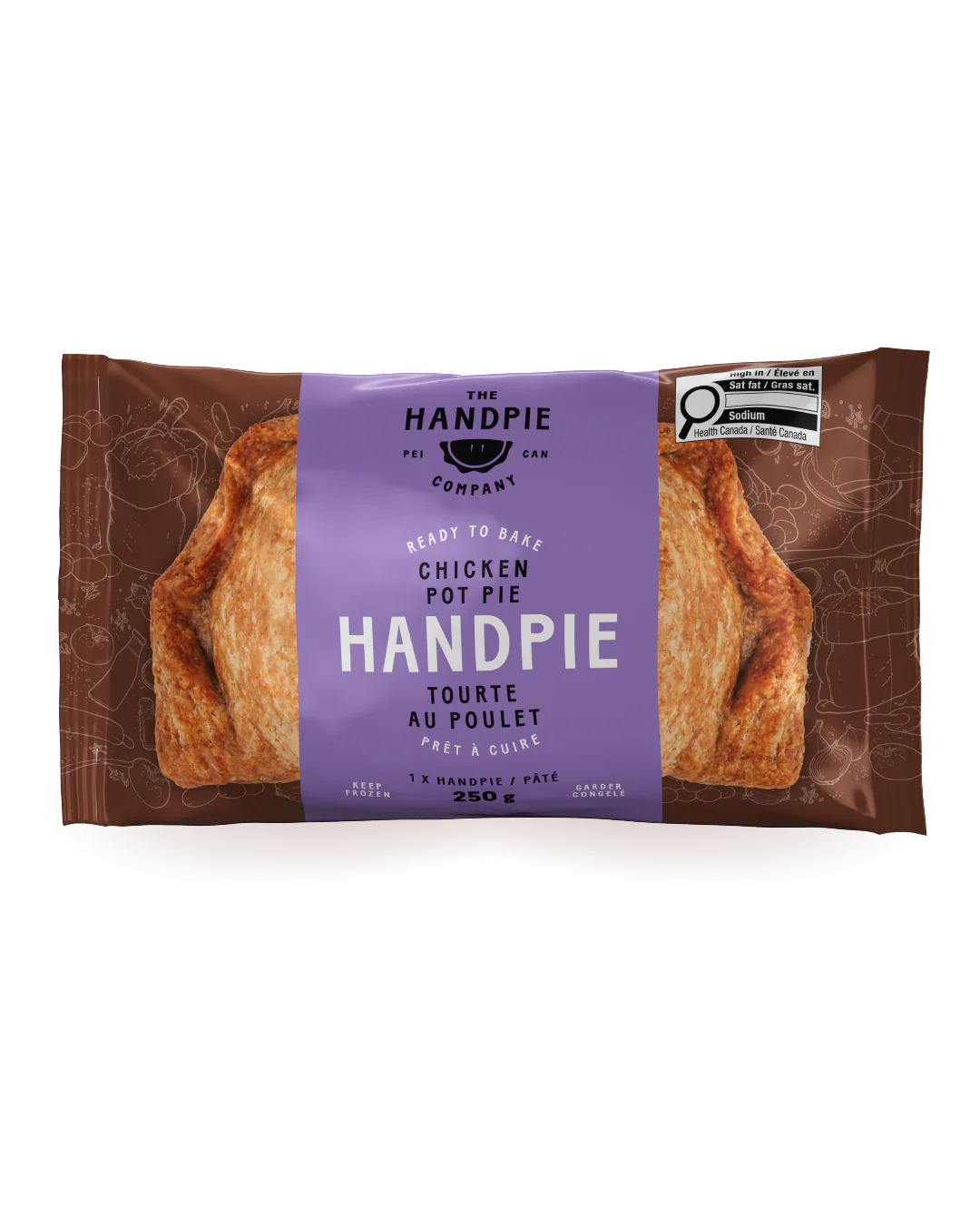
When Sarah, founder of The Hand Pie Company, first became a customer of Agyle Intelligence, the initial objective was compliance.
Like many food manufacturers working with raw meat, her priority was to digitize quality forms and satisfy CFIA requirements. Agyle delivered that quickly.
But the real transformation didn’t begin with dashboards or reports. It began on the production floor.
Before pulling data or analyzing trends, Agyle took a continuous improvement approach rooted in direct observation. We stood in the facility, watched the process from start to finish, and asked a simple question:
Where is the waste?
This mindset comes from lived experience. Growing up on a farm where adaptation was essential—and where “work smarter, not harder” wasn’t a slogan but a necessity—shaped how operational problems are approached today. That perspective carries directly into Agyle’s continuous improvement assessments: fresh eyes, practical thinking, and a willingness to question “the way it’s always been done.”
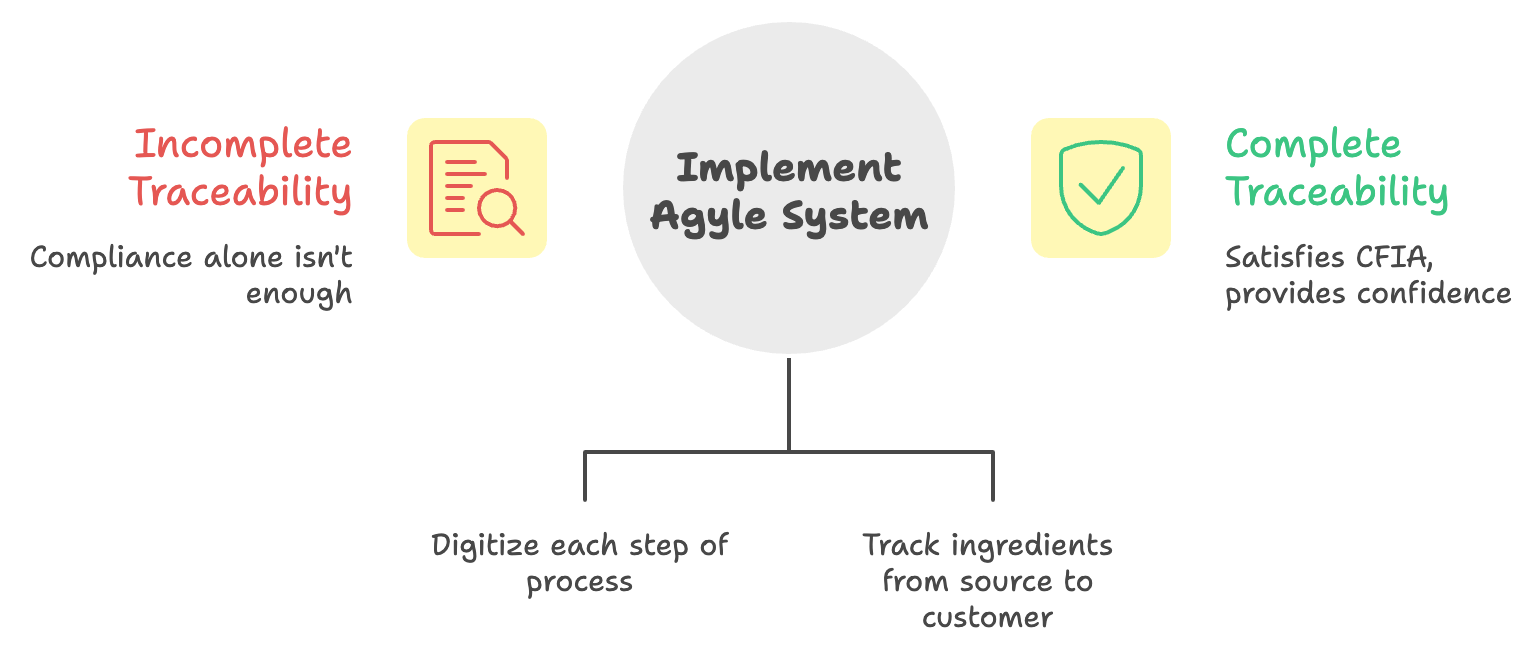
As implementation progressed, Sarah quickly realized that compliance alone wasn’t enough. She needed end-to-end traceability across her entire batch process, including:
Agyle worked with The Hand Pie Company to map and digitize each step. The result was complete batch-to-ingredient traceability.
If a specific ingredient lot is recalled, Sarah can now:
This capability fully satisfies CFIA traceability requirements while giving the business confidence, speed, and control.
Because The Hand Pie Company works with raw meat, CFIA inspections can happen at any time.
Agyle designed custom CFIA inspection reports that allow inspectors to:
Inspectors no longer need to ask the team to pull records or chase paperwork. They get what they need, ask follow-up questions if necessary, and move on. This has significantly improved the inspection experience for both CFIA and the operation itself.
During on-site observation, one constraint stood out immediately: end-of-line packaging. Packaging runs were taking over five hours. The team already suspected this was slow, but—like many operations—daily pressures made it difficult to step back and experiment. Using a continuous improvement lens, Agyle identified motion waste as the primary issue:
These weren’t complex problems. They were the type that become invisible when an operation runs the same way every day.
Agyle recommended a set of practical, low-risk changes:
There was no capital investment required. No new equipment. No system changes. The Hand Pie Company implemented the changes immediately.
Thirty days later, Sarah summed it up clearly:
Packaging runs dropped:
A 75–80% reduction in time, achieved through observation, a fresh perspective, and small, intentional adjustments.
This case illustrates what Agyle does best. Yes, we digitize data and support compliance.
But more importantly, we help organizations:
Sometimes the biggest gains don’t start with analytics.
They start with standing still, watching the work, and asking better questions.