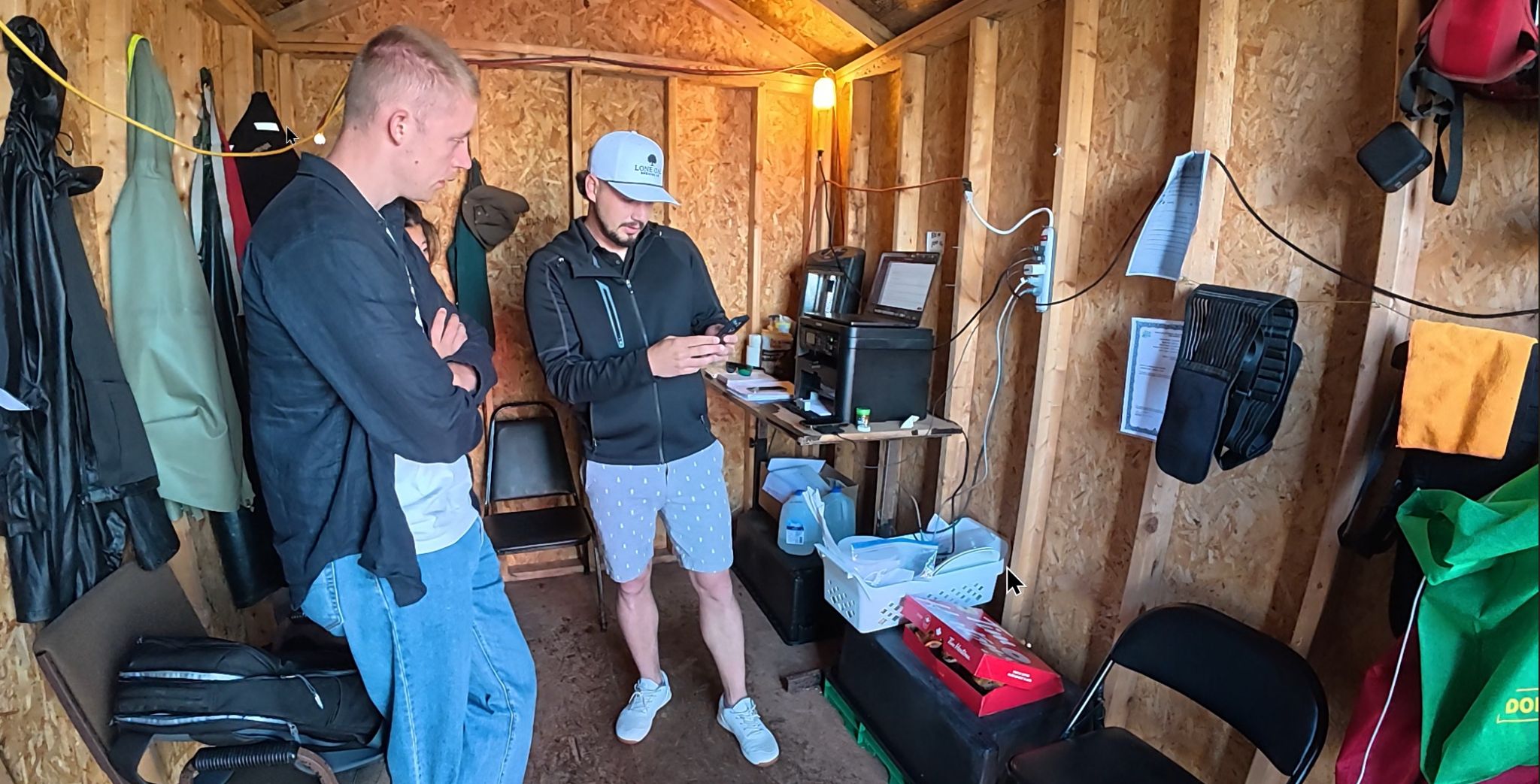
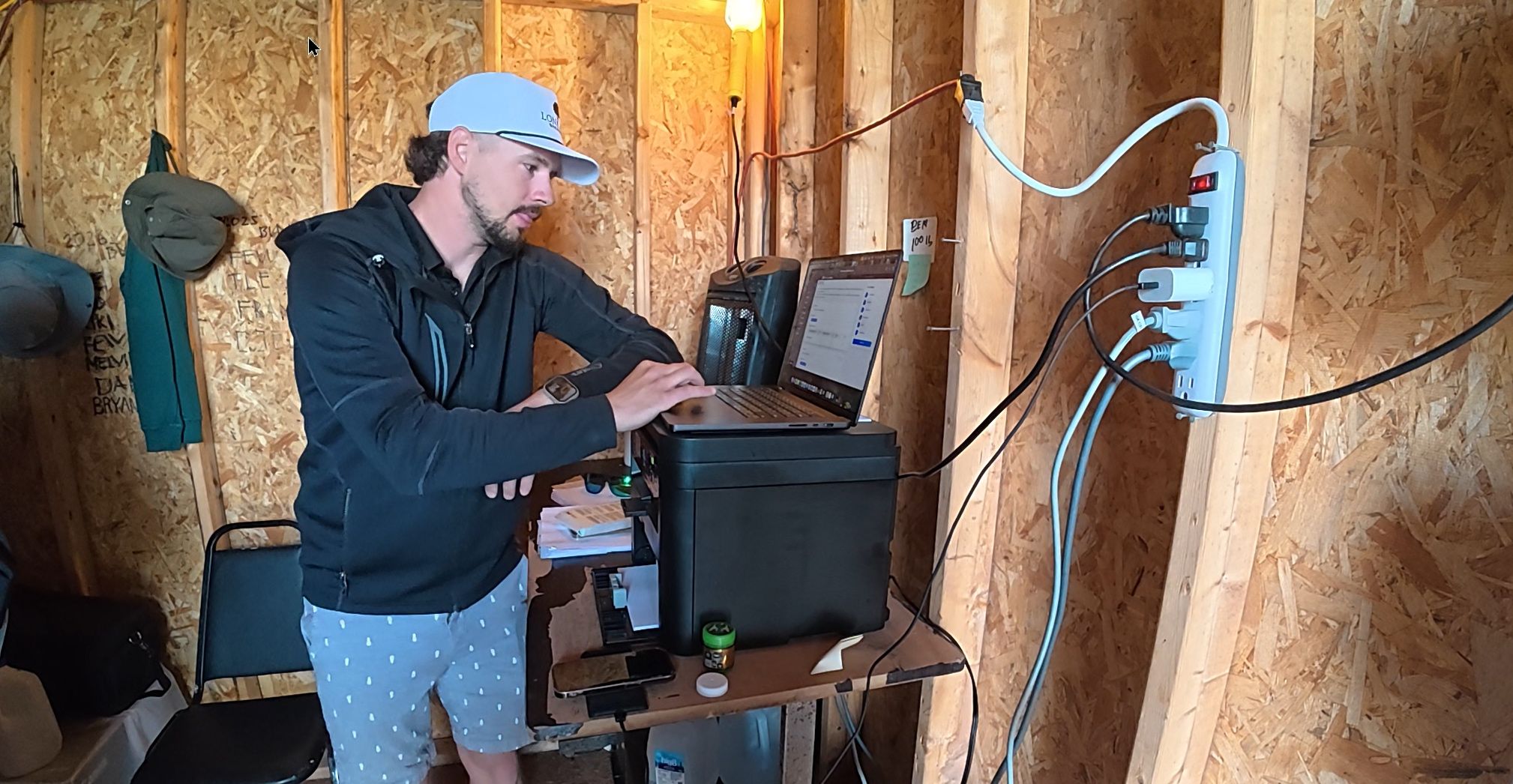
Kildare Fisheries digitized their lobster buying in 18 months and DFO flew across Canada to see it.
Earlier this year, the Department of Fisheries and Oceans was partway through a national review of traceability practices among Canadian seafood operators. Dozens of interviews in, they reached Collin Rayner at Kildare Fisheries.
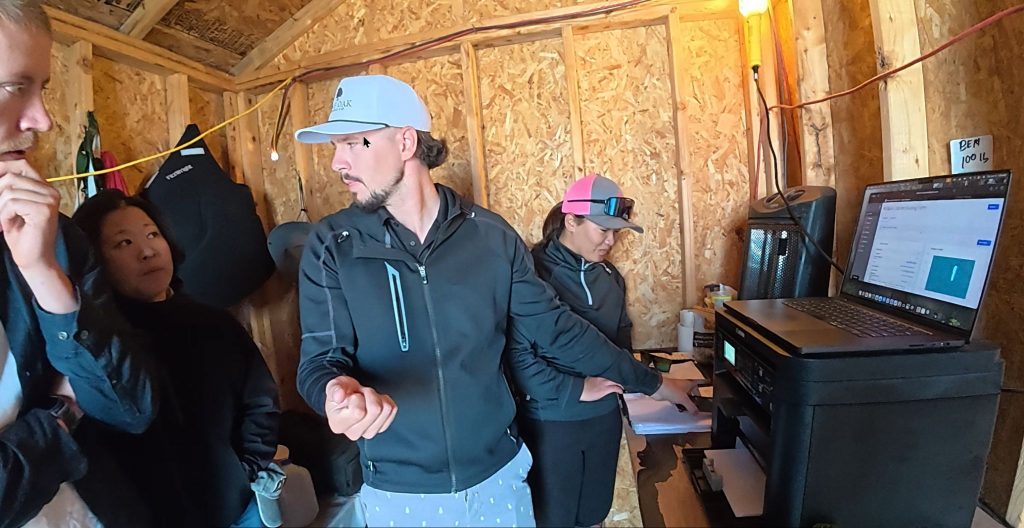
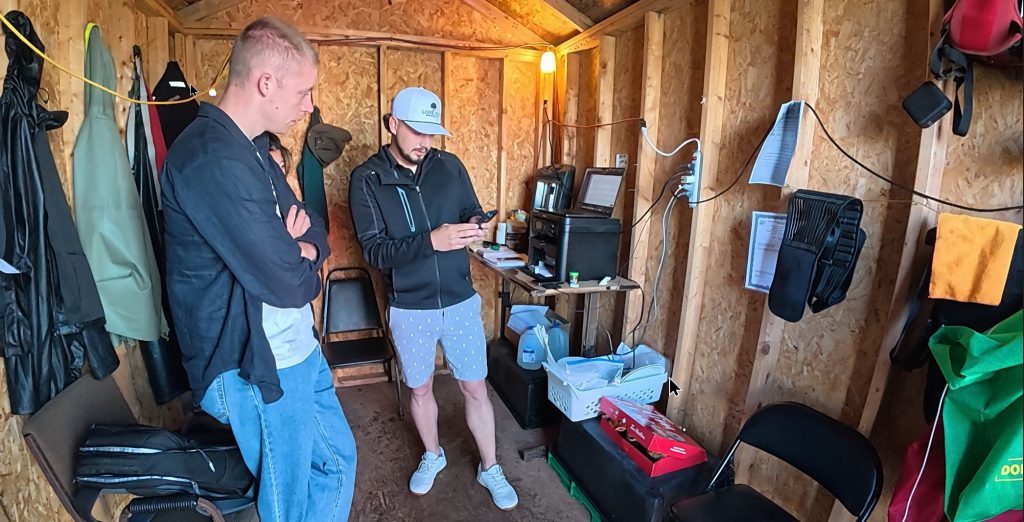
What they saw was different enough that a phone call wasn’t going to cut it. Four DFO officials, all flying in from Vancouver, came to Prince Edward Island to watch Collin’s operation in person.
“It's not my system, it's your system. I only know what I can do with it.”
Collin Rayner, Kildare Fisheries — Explaining to Agyle founder David McNally why he wanted him on the wharf for the visit.
Before Agyle, a normal day at Kildare looked like most other seafood buying operations in the province: handwritten weigh slips, paper logs, and hours spent every week reconciling what fishermen said they delivered against what the scale actually showed.
“Six days in the week but he's only got five slips over the six... did he actually fish six days or did he fish five? Did the truck driver forget it? Did it blow out the door? Did it fall in the water?”
Collin Rayner — Describing the kind of paper-trail guesswork that was once a routine part of the week.

Kildare didn’t adopt a generic off-the-shelf platform. Working with Agyle, Collin built and refined his own forms, alerts, and reports over time, starting with the highest-friction part of his operation and expanding from there.
Every transaction, gross weight, net weight, species, and harbor, is entered on a mobile device as the boat is being unloaded. The fisherman gets a digital and paper receipt before leaving the wharf, and the same data is already visible at the office.
Custom alerts flag issues the moment they happen, not after the trailer is already loaded.
“I could be in China, and I'd get that alert... Ryan, buddy, I'm in freaking China right now, but I just seen your lobsters are way overweight. Don't do that tomorrow. He hasn't even left here yet.”
Collin Rayner — On a real-time overweight alert reaching him before the boat had even left the wharf.
Every pallet, case, and product lot is tied back to the exact boat, harbor, and day it came from, through QR-coded tracking that follows product from the wharf to the cold storage to the final shipment.
“How am I going to go back to last year's boxes and find the exact paper for this and that... that's hours. Now, it's one click. I just click my report button, and my audit is done.”
Collin Rayner — Describing the shift in preparing for an MSC audit.
The numbers back it up. On more than two million pounds of product tracked through a single season, Kildare’s reported figures were accurate to within half a percent.
Collin can see every transaction happening across his business in real time, whether he’s on the wharf or on the other side of the world. Quality issues, weight discrepancies, and new fishermen onboarding all trigger instant notifications to the right person.
“They'd be in the office till 8, 10 o'clock at night every single night of the week doing payroll, going through paper slips and data. Now they just go in on Thursday, click this guy, click that guy, print statements, and away they go.”
Collin Rayner — On the change to weekly fisherman payroll and reconciliation
What started as Kildare’s own operational fix has become bigger than one company.
“Every single buyer on PEI, as a requirement of their buying license, uses Agyle to report their catches to the Department of Fisheries.”
David McNally — On the scope of Agyle's footprint across the province, roughly 54 buyers across close to 50 harbors.
It has become foundational infrastructure for the province’s seafood industry, not just a tool for one operation.
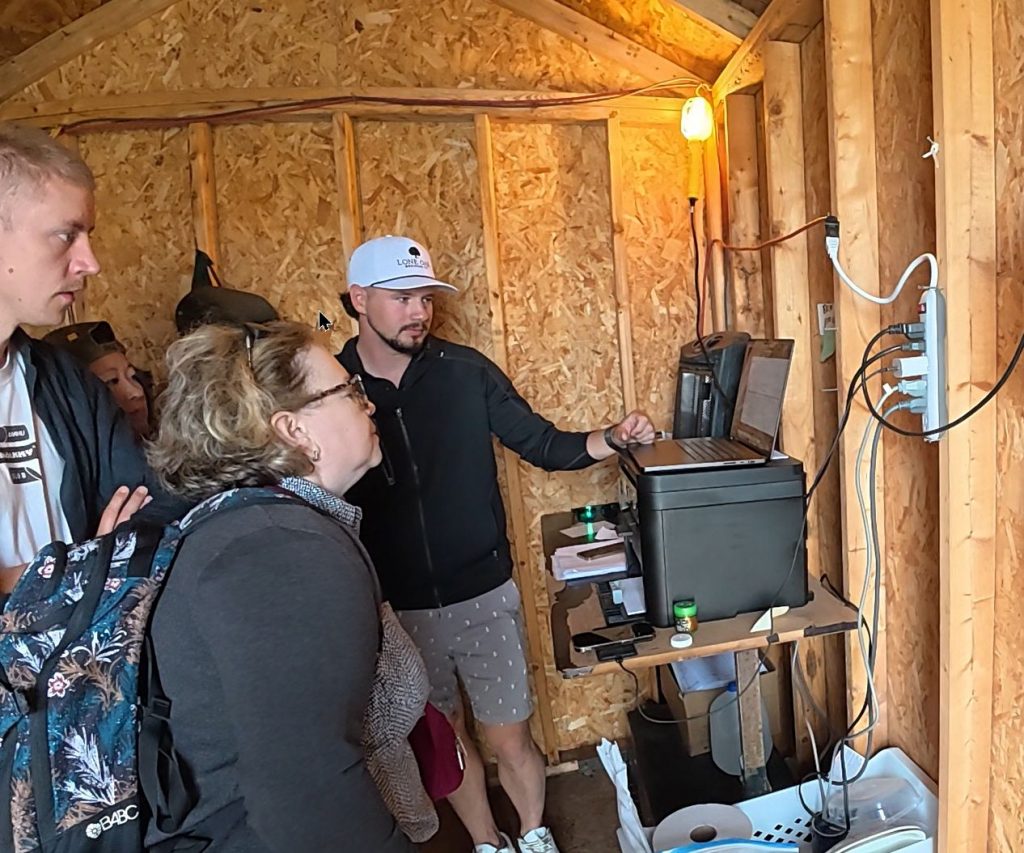
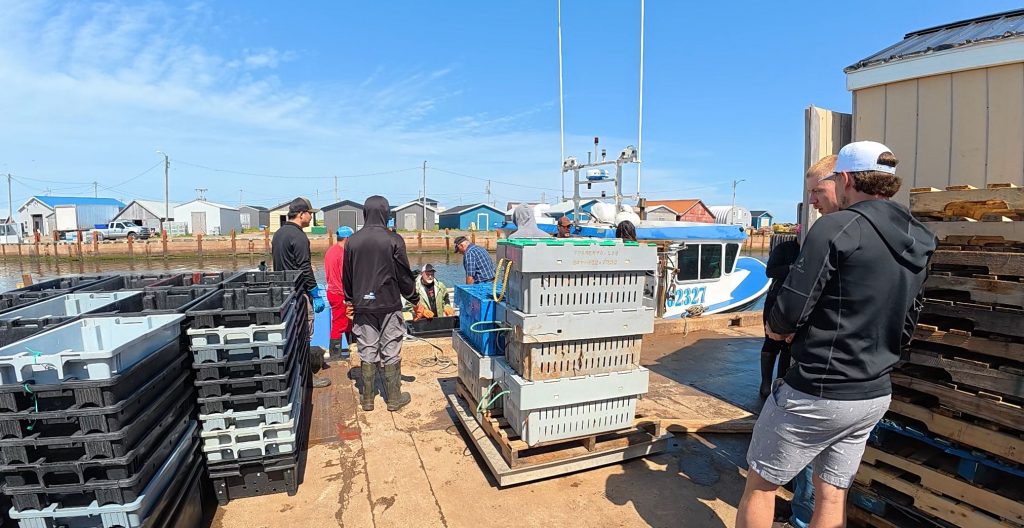
Collin’s operation is one of the most advanced examples of what’s possible, but the underlying system was built to work the same way regardless of the product moving through it.
For a seafood processor, complete value chain traceability means being able to answer any question about any product at any point in the supply chain: which boat, which harbour, which day, which buyer, which customer. It means an unexpected audit does not require pulling boxes of paper from storage. It means a quality issue discovered at the plant can be traced back to its source in minutes rather than days. And it means that when a regulator asks how a specific lot was handled, the answer is available immediately, accurately, and without disrupting the operation to find it.
“At the end of the day, it's flow, it's process, and it's objects. Whether you're moving a bird, whether you're moving a lobster, whether you're moving a blueberry, it's an object.”
David McNally, Founder of Agyle Intelligence
That flexibility is part of why DFO’s interest extended beyond a single operator. With Canada’s growing focus on food security, traceability, and supply chain resilience, what Kildare has built offers a working example of what readiness actually looks like in practice, not in theory.
Kildare’s system took shape over roughly a year and a half of iterative work, starting with quality forms and growing into a full operational backbone covering buying, production, inventory, and compliance. For other seafood processors looking to get to a similar level of traceability and visibility, the timeline is considerably shorter.